As from 12 June 2026, individuals who are already in the Netherlands, who crossed the EU external border illegally, who have not yet been screened and who want to apply for asylum in the Netherlands will have to complete what is referred to as the IND Reception and Preparation for Asylum Applications process (OVA). The tasks the screening regulation assigns to the IND when it comes to determining the identity of people are part of this process. In the case of asylum seekers who report to border security staff at Schiphol airport, these tasks are performed by the Royal Netherlands Marechaussee (Koninklijke Marechaussee, KMar).
At that point, which marks the beginning of the asylum procedure, the IND establishes the identity of the individual, carries out initial security checks and a medical assessment, and identifies any signs of vulnerability. From 12 June onwards, this will be done entirely in accordance with the guidelines of the screening regulation. This is one of the nine regulations on which the Pact on Migration and Asylum is based and it defines very precisely how asylum applicants should be identified and registered. It also stipulates how the preliminary vulnerability and medical assessments should be conducted.
Self-reliance
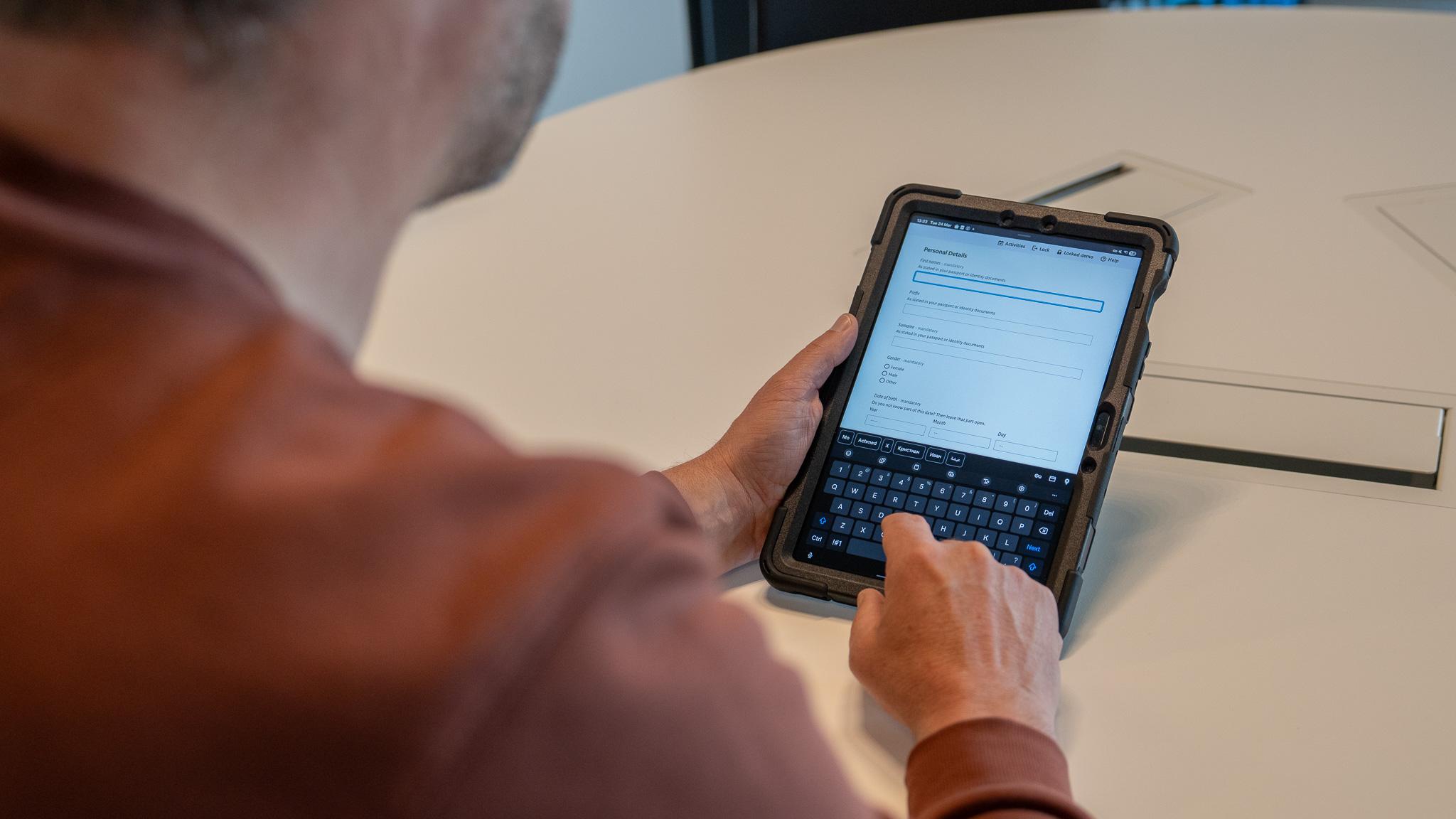
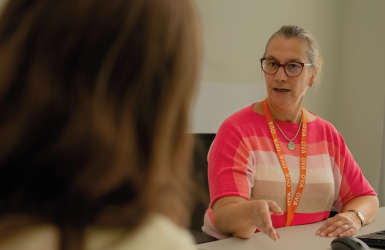
Applicants who can do so will start the registration process by filling in data on a tablet. This can be done in 11 languages and always takes place at the reception centre in Ter Apel under the supervision of IND employees. Individuals who are unable to fill in their details themselves will be interviewed by an IND employee and an interpreter (by telephone).
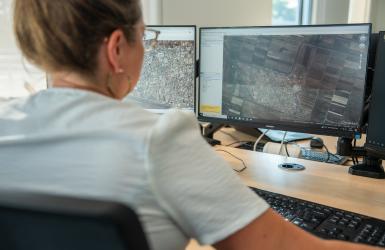
Under the screening regulation the IND is permitted to access European databases to identify any security risks. If necessary, this will be explained in more detail during the interview. The same applies to any other issues that raise questions, or doubts, or are unclear. This might relate to questions about the origin of someone or indications that another Member State is responsible for processing the application. If there are any doubts, further investigations will take place during one of the next steps in the asylum procedure.
Vulnerability taken into account
The legal deadline for completing these tasks is three days, but the IND will aim to complete the Reception and Preparation for Asylum Applications process, including the vulnerability test, in one day. It will perform the vulnerability test based on observations by employees and statements by the applicant which might relate to, for example, anxious behaviour or a possible sign of trauma which requires extra attention to be paid during the procedure.
This is followed by the preliminary medical assessment, which the IND performs in cooperation with the Central Agency for the Reception of Asylum Seekers (Centraal Orgaan opvang asielzoekers, COA) and the Asylum Seeker Healthcare organisation (Gezondheidszorg Asielzoekers, GZA). The aim is to identify any medical concerns, such as mobility issues, which must be taken into account during the remainder of the asylum application and reception procedure.
The process ends with a final interview. The applicant will then be asked to read the filled-inscreening form and the information it contains, and to indicate whether it is all correct. The asylum procedure can then continue in the form of legal counselling and the interview.
Faster, more flexible procedure
The fact that the IND will soon be responsible for investigating the identity of people means it will be permitted to obtain information relevant to the procedure immediately. Another change is that there will no longer be any handovers to other services, as used to be the case because other organisations were responsible for the investigations. This makes the new procedure faster and more efficient than the old one.