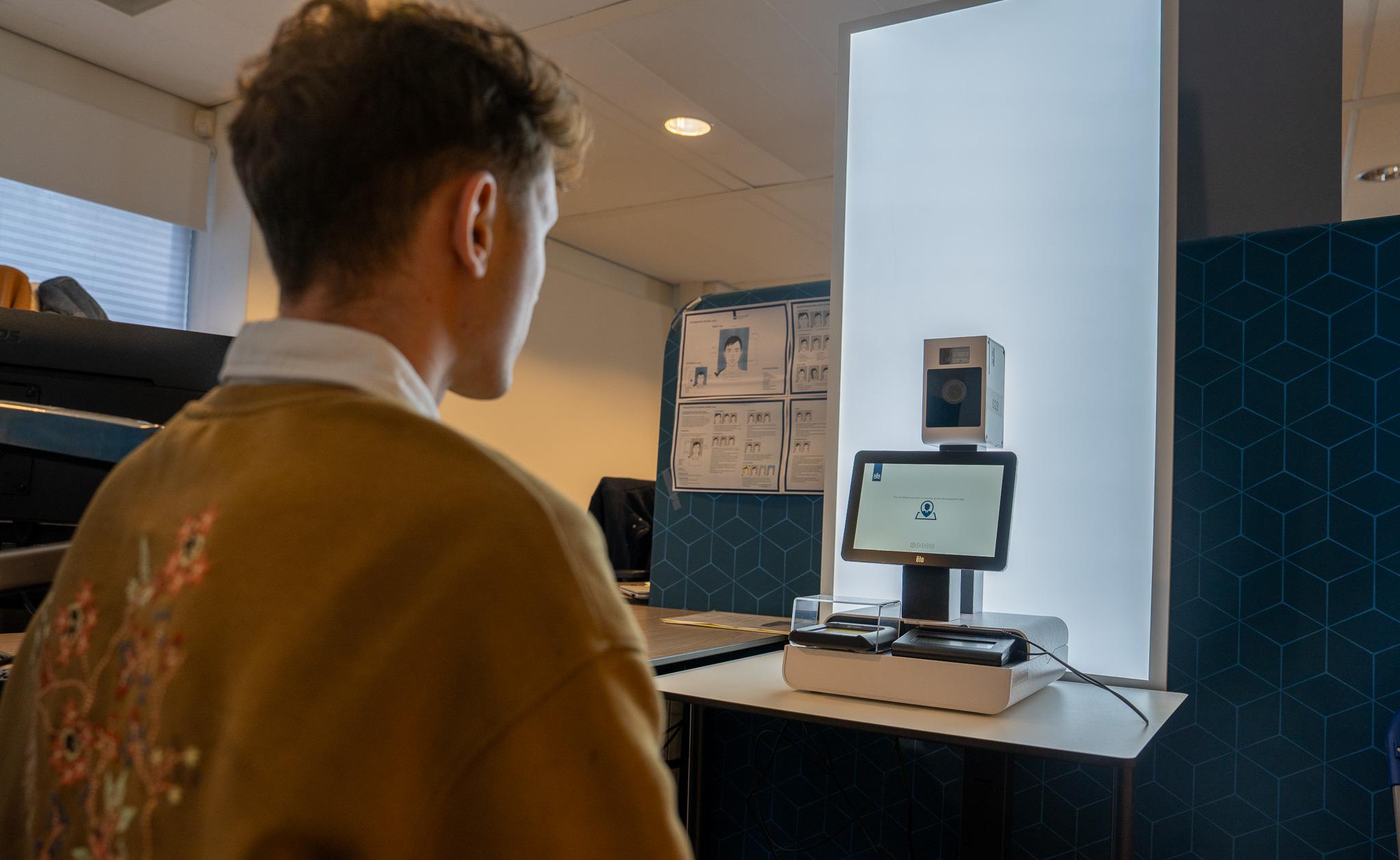
OVA is the first element of a renewed asylum procedure in which the IND will support applicants as they prepare their asylum application. The new process focuses on the applicants managing the application process themselves as much as possible. They will, for example, be able to enter details themselves using a tablet. The application they will be using is available in the eleven most common languages spoken by asylum seekers and is designed to be as simple and user-friendly as possible. If the applicant speaks a different language, the IND can make use of the services of an interpreter.
Assistance where necessary
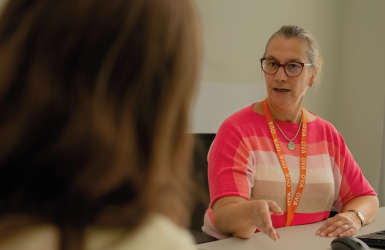
If applicants are unable to prepare their applications themselves, they will receive assistance from IND staff. This assistance may involve helping them to enter details or providing resources if they have any physical limitations.
During the OVA process we will also collect biometric data (fingerprints and a photo), so that we can carry out the necessary checks. Once the OVA process has been completed, the applicant will hand in the tablet and sign the asylum application, which will state the reasons for the application as provided by the applicant. The aim is to complete this OVA process as quickly as possible, preferably within 1 day but, in any event, by the statutory deadline of 3 days.
Flexibility
In order to make the entire process as smooth as possible, OVA has been designed to allow optimal flexibility in any given situation. Employees will be able to fulfil multiple roles and, because of that, can be quickly assigned to any part of the process that comes under pressure.
The parts of the procedure are closely aligned to ensure the smoothest possible process for the applicants. In addition, the IND is modifying the part of the building in Ter Apel where the OVA process is going to take place in order to avoid any unnecessary movements within the building.
Complete information
Where possible, staff will make the necessary preparations for the subsequent phases of the asylum process in advance. This will ensure that the information passed on to colleagues who are responsible for processing the application is as complete as possible. This may involve, for example, a document check or a language recording in order to determine the asylum seeker's origin, which employees can use later in the process to establish their identity, nationality and origin.
The IND wants to provide applicants with the best possible service and will keep them as up-to-date as possible on the steps in the application process. Applicants will know what to expect, what is happening now and why, what the next step is and whether the next task has to be performed by them or the IND. This information will not only be provided verbally, but also laid down in an easy to understand written document, so that applicants can re-read all the information later.
Better informed
By adopting this approach, the IND wants to keep people updated as much as possible and eliminate any bottlenecks in the process. At the moment, the IND desks and client contact centres frequently have to deal with questions which arise due to a lack of clarity, the repetition of duplicate activities and uncertainty. Informing applicants more effectively will create more peace of mind for both applicants and the IND.
The IND will be operating following the new OVA process from 12 June.