
How the IND establishes where asylum seekers come from
Where an asylum seeker comes from is one of the key questions in the assessment of an asylum application. The security situation in someone’s country or region of origin will often determine whether they qualify for a residence permit. If there is doubt about where a person comes from, the IND may investigate their stated origin. Language analysis and geographical research are the two most commonly used methods, but how do they work?
Asylum seekers must be able to give a credible account of their asylum claim, including where they come from. They do so in interviews and, for example, by providing documents. If no identity documents are available and there are doubts about a person’s stated origin, further investigation may help to clarify matters. This can involve language analysis, geographical research, or a combination of the two.
Establishing origin through language analysis
Since 1999, the IND has used language analysis in cases where there is doubt about an asylum seeker’s stated origin. An IND caseworker conducts a language-analysis interview with the asylum seeker, with an interpreter present as standard. During this interview, which lasts around 45 minutes, the asylum seeker can demonstrate which languages they speak and how they speak them. This can help establish where they come from..
Language analyst and linguist work together
The IND commissions a specialist language analyst with expertise in the relevant languages and linguistic region to carry out the analysis. The analyst listens to the recording of the interview together with an IND linguist. In consultation with, and under the supervision of, the linguist, the analyst prepares the final report. Using examples, the report explains whether the person’s manner of speaking is consistent with their stated origin. The linguist checks whether the examples cited can be found in the relevant literature and ensures that the language analyst continues to meet the required quality standards.
Personal geographical questions to resolve doubts
Geographical research is another way of investigating doubts about an asylum seeker’s stated origin. During the interview, caseworkers ask questions about the area the asylum seeker says they are from. These questions are tailored to the person’s everyday life, so they vary from one individual to another. One person may be asked about local schools or the route to the market, while another may be asked about local football clubs.
Regional information centres check information about the area of origin
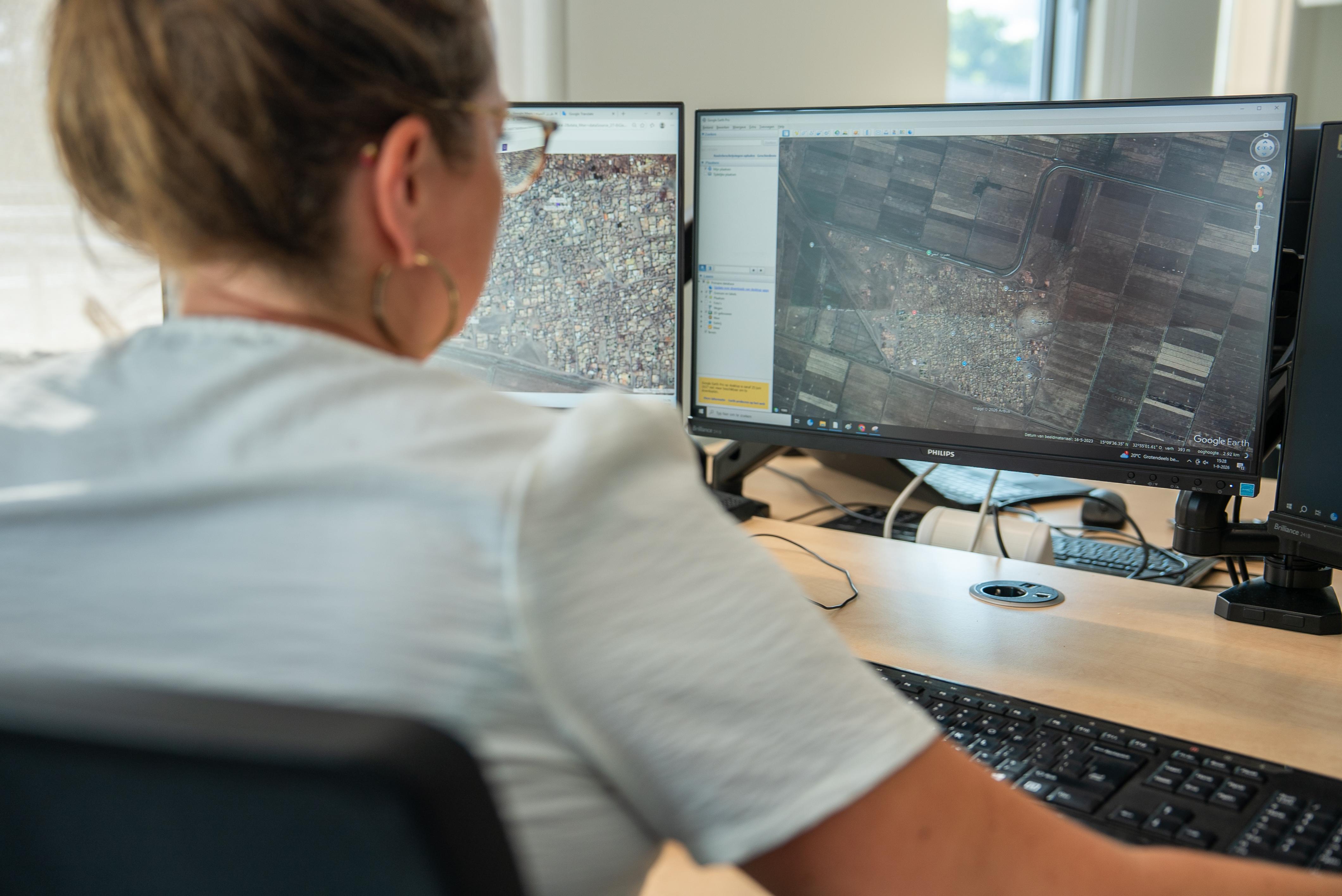
The IND’s regional information centres (RICs) prepare questions for caseworkers. RIC staff can even look up information directly during an interview, unlike caseworkers in other European countries. They use a geographic information system for this purpose, which is continuously updated with new information to ensure that knowledge of areas of origin is retained. It allows staff to quickly check whether a named school or mosque exists, and whether locations and distances match the information available to them. They also use public sources, specialist subscription databases and satellite imagery to verify statements about an area of origin.
From investigation to decision
The purpose of this investigation is to establish whether an asylum seeker has given a credible account of coming from the country or area they claim to be from. Language analysis or geographical research alone will not always be enough, and a combination of both may be required. The IND decision-maker then considers the findings alongside all the other information in the case file. Looking at the evidence as a whole, they assess the credibility of the asylum account and reach a carefully considered decision on the asylum application.